Curious Noses, Loose Droppers: Keeping CBD Away From Pets (and Knowing When to Ring the Vet)
Your dog has a nose for the interesting stuff. A dropped dropper bottle, a handbag left open, a bedside table that suddenly looks like a chew toy — it's a familiar story. And when the product in question is CBD oil, the questions come thick and fast: is it safe? Should I panic? Can I just give them a bit less than I take?
The short version: human CBD oil is not automatically pet-safe, and 'natural' doesn't mean 'fine for animals'. This isn't about scaremongering. It's about keeping curious pets out of your stash and knowing when to ask someone qualified.
The 'Natural' Trap: Why Your Oil Isn't a Pet Product
It's easy to see why people assume sharing is no big deal. CBD is sold on the high street, it comes in friendly-looking bottles, and it's often talked about in the same breath as calm routines and general wellbeing. But a product designed for a 70kg human is not a smaller version of something designed for a 7kg terrier.
In the UK, most CBD products sold for pets sit outside the licensed veterinary medicines framework. That means the label may not have been reviewed for animals in the way you'd expect for a prescription medicine. Human supplements also bring extras that pets may not handle well: carrier oils, flavourings, sweeteners, preservatives and trace levels of other cannabinoids. Some carriers, such as MCT oil, can leave a dog with a loose stomach. Peppermint or citrus flavourings aren't ideal either. And CBD edibles may contain things that are genuinely dangerous to dogs, such as chocolate, raisins or xylitol.
None of that means every pet will have a problem. It means the stakes are higher than a casual squirt into the food bowl.
Read the Bottle Like You Mean It
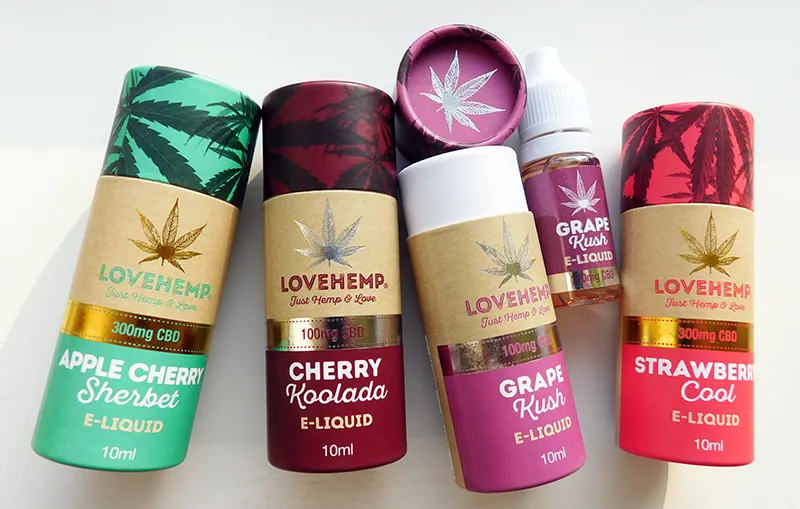
Before you assume a product is shareable, turn the bottle around. Look for the carrier oil, the flavouring, the CBD content and any 'other ingredients' list. If the label is vague, that's a clue. If it says 'for human use only', take it at face value.
Strength matters too. A high-strength human oil may contain far more CBD per drop than anything intended for an animal, and a pet's weight changes the picture completely. You'll also want to check for THC content. In the UK, THC is controlled, and pets are more sensitive to it than people are. A product that feels mild to you is not a sensible experiment for a cat.
And if you're tempted to buy something marketed for pets, check whether the maker is clear about what's inside and whether they point you towards veterinary advice. A tidy website is not the same as a veterinary licence.
The Stash Rules: Cupboards, Counters and Curious Paws
Most pet incidents aren't dramatic. They're ordinary: a bottle left on the sofa, a bag on the floor, a dropper rolling under the coffee table. Pets investigate. That's their job.
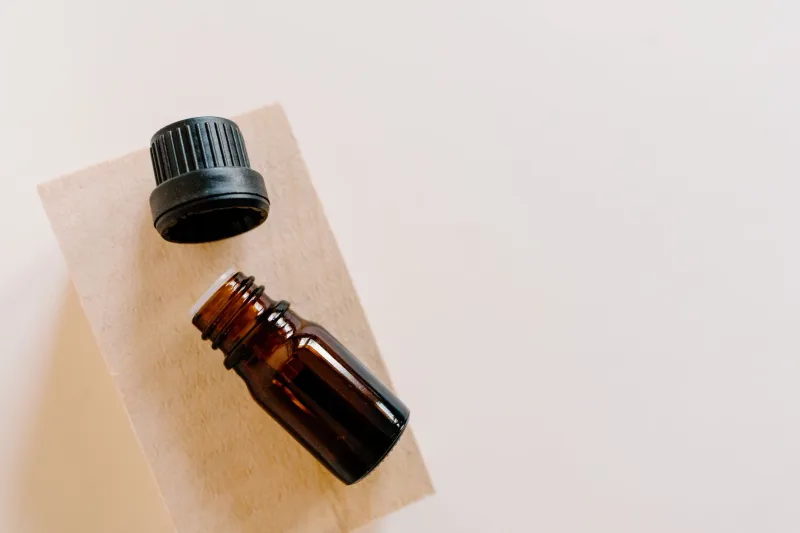
Keep your CBD somewhere high, closed and out of reach — ideally a cupboard rather than a countertop. Don't leave it in a handbag or coat pocket where a nose can find it. Wipe up spills properly, because a dropped dropper can leave a surprising amount on the floor. Glass droppers are another practical risk: if a pet chews one, they can cut their mouth or swallow fragments.
If you have guests, ask them to keep bags and coats out of reach too. Child-proof lids are not pet-proof. A determined dog can do a lot with a plastic bottle.
If They Do Get Into It
Don't wait for symptoms to get worse before you call for help. If your pet has swallowed CBD oil — or you're not sure how much — ring your vet straight away. Have the bottle to hand so you can tell them the product name, strength, ingredients and roughly how much is missing. That information helps them decide what to do next.
Signs that warrant urgent advice include vomiting, diarrhoea, drowsiness, wobbliness, agitation, tremors or changes in breathing. Don't try to make your pet sick unless a vet tells you to. Don't give them food, milk or anything else to 'soak it up' unless you've been advised to. And don't assume that because they seem fine now, everything is fine. A quick call is cheaper than a long night of worry.
The Vet Conversation: What to Say and What to Ask
Vets are used to these questions, and they won't judge you for asking. Be honest about what happened, what the product contains and what your pet weighs. Ask whether there are any interactions with medicines your pet already takes. Ask what to watch for. Ask whether you should bring them in.
If you're thinking about CBD for your pet for things like fireworks anxiety, travel or general calm, that's a conversation to have before you buy anything, not after. Your vet can tell you what's known, what's not, and whether a licensed product exists for the issue you're dealing with. They can also flag anything that needs a proper examination rather than a supplement.
Sharing Isn't Caring
It can feel generous to offer a drop of your oil to a nervous dog or an elderly cat. But pets aren't small humans with slightly different haircuts. They metabolise things differently, they can't tell you if they feel odd, and they rely on you to make the sensible call. The kindest option is usually the boring one: keep your CBD for you, keep it out of reach, and ask your vet before trying anything new.
A Quick Checklist Before Anything 'For Pets'
- Is the product actually intended for animals?
- Are the ingredients and CBD content clearly listed?
- Is there a batch or expiry date?
- Have you asked your vet, especially if your pet takes medication?
- Is it stored well out of reach of noses and paws?
A curious pet and an open dropper bottle are a bad combination. A little tidying, a clear label check and a quick word with your vet will keep things calm — which is rather the point.