The Five-Minute GP Conversation: Mentioning CBD Without the Awkwardness

You've got a GP appointment coming up — maybe a repeat prescription review, maybe a blood pressure check you've been putting off since the summer. And somewhere in the back of your mind is a small, nagging question: should I mention the CBD oil?
Short answer: yes. Longer answer: yes, and you can do it in about thirty seconds without sounding like you're selling something, apologising for something, or launching a campaign.
Why bother saying anything at all
Your GP makes decisions based on the information in front of them. If part of your routine is missing from that picture, the picture is wrong.
There's also a practical reason. CBD can interact with some medicines — how much of an issue depends entirely on what you take, which is exactly the sort of thing a prescriber or pharmacist can advise on. You don't need to know the pharmacology. You just need to mention it and let someone who does know have a look.
Beyond that, the stakes are low. In most appointments, being told "thanks for letting me know" is the whole event. It goes in your notes, everyone carries on with their day.
The two-minute prep before you go in
You don't need a folder. You need roughly four facts:
- What it is — oil, capsules, a balm, a drink. Strength in mg, how much you take, and how often.
- When you started — even roughly. "About six weeks ago" is fine.
- What you were hoping it would do — wind down in the evening, feel less creaky after football, sleep a bit better.
- What you've actually noticed — including "honestly, not much" and "I couldn't tell you" if that's the truth.
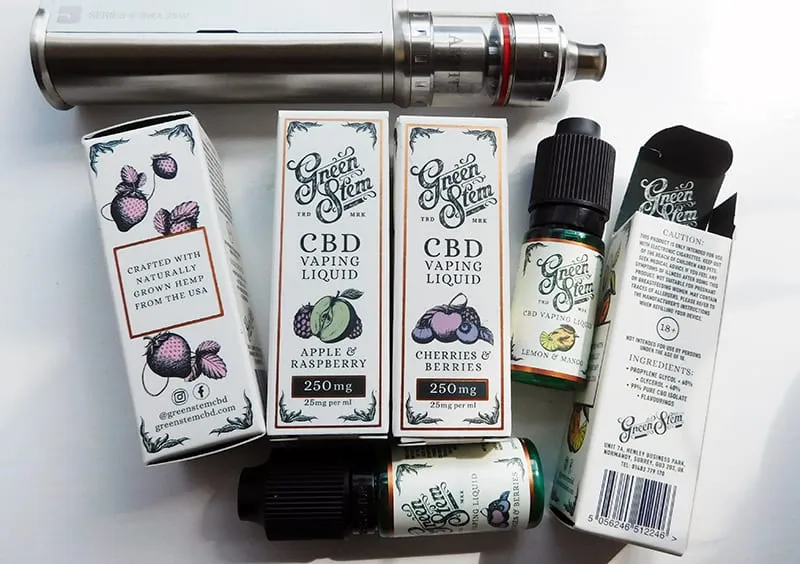
A photo of the label on your phone covers most of this. If the bottle has a batch number, that's a bonus, not a requirement.
One more thing: decide your single question before you sit down. Usually it's one of these — is this okay alongside what I'm already taking? Is there anything I should watch for? Do you need to know before my next blood test? One question gets a proper answer. Four gets a shrug.
A script you can borrow almost word for word
Open with the practical bit, not the philosophy:
"I've been taking a CBD oil from a shop for about six weeks, and I wanted to check it isn't clashing with anything I'm on."
Then stop. Let them ask. If they want detail, give it plainly:
"It's a [strength] oil, a few drops under the tongue in the evening. Mainly to see if it helped me switch off. I'm not sure it's doing much, but I'd rather it was on my record."
If they look unimpressed, resist the urge to defend it:
"Fair enough. Could we just note it? I'd rather you knew than didn't."
That last line does a lot of work. It takes the pressure off the appointment and puts the focus where it belongs — accuracy, not agreement.
Questions worth asking while you're there
You won't get through all of these, so pick the ones that apply to you:
- Does this interact with anything on my repeat list?
- Should I pause before a blood test, or before any procedure or anaesthetic?
- Is the amount I'm taking in line with what the label suggests?
- Is there anything about my particular health situation that makes this a bad idea?
If you're pregnant, trying to conceive or breastfeeding, that's a conversation to have before you buy anything, not after.
Three things not to do
Don't turn it into a debate. Your GP isn't the forum for the evidence base, and a ten-minute appointment isn't long enough to relitigate it. Save that for the internet, where it belongs.
Don't ask for a prescription. For general wellbeing, that's not how it works in the UK — unlicensed cannabis-based products aren't handed out on the NHS for everyday stress or sleep. Specialist prescribing exists for a small number of specific conditions, and it's a referral conversation, not a request-at-the-desk one.
Don't adjust your prescribed medicine to make room for a bottle. Ever. Not a smaller dose, not a skipped day. If you want to change something you've been prescribed, that's a conversation, not a decision you make quietly.
If saying it out loud feels like too much
You've got options that don't involve eye contact.
- Ask the pharmacist. For interactions specifically, a community pharmacist is often the quickest route — no appointment, and it's what they're trained for.
- Use the online consultation form. Most surgeries have one now. Tuck it into the "anything else you'd like to raise" box with the same brief wording.
- Bring it to a medication review. If you're already booked in for one, it's the natural home for this conversation.
Afterwards, write it down
A line in your phone notes — the date, what you asked, what they said — saves you reconstructing it in three months. And if they suggested stopping or switching, follow that advice rather than working around it.
The bar here is genuinely low. You're not asking for permission, and you're not presenting a case. You're giving your GP an accurate picture of what you're doing, and asking one clear question. "I'm trying this and wanted to check" is the entire assignment. Everything else is optional.