Small Budget, Sensible CBD: Making £20 a Month Work Harder
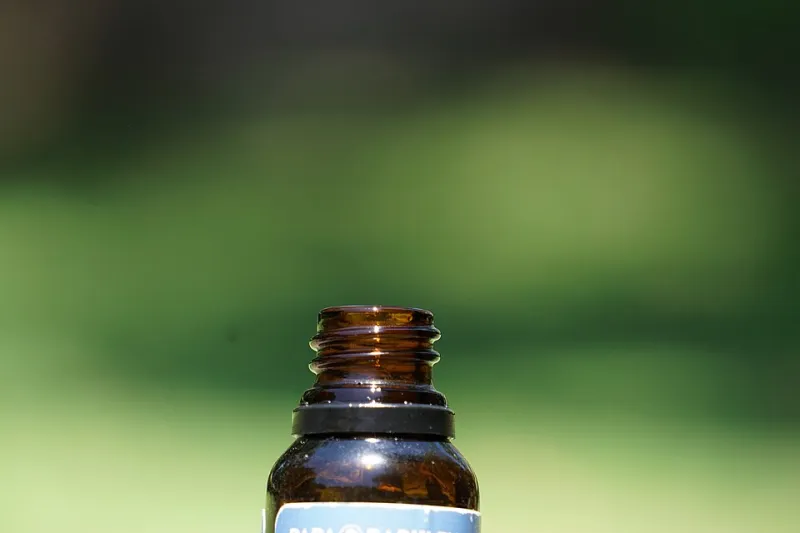
Photo: elsaolofsson, CC BY 2.0, via Wikimedia Commons
CBD has a reputation for being expensive. Walk through a UK high street or scroll through social media and you will see glossy tinctures with glossy price tags to match. But a sensible CBD routine does not need to cost £60 a month. If you are working with around £20, the trick is to ignore the theatre and focus on what you are actually getting: milligrams of CBD, a clear serving size and a product you can stick with.
This is not medical advice, and it is not a promise that CBD will do anything in particular. It is a practical guide to spending carefully, reading labels properly and avoiding the sort of hype that turns a simple supplement into a lifestyle subscription.
Start with the maths, not the marketing
The most useful number on any CBD product is not the price. It is the total amount of CBD in the bottle or packet. A 10ml oil might contain 500mg of CBD. If your serving is 10mg, that bottle gives you 50 servings. At £20, that is 40p per 10mg serving. A rival bottle at £18 might sound cheaper, but if it only contains 250mg, the cost per serving is higher.
Do this sum before you fall for a fancy label. You do not need a spreadsheet. Just divide the total CBD by your serving size, then divide the price by the number of servings. That gives you a rough cost per serving. It is the quickest way to compare oils, capsules and sprays without getting lost in words like 'premium' or 'extra strength'.
Where the mark-ups hide
Some of the price you pay is unavoidable: testing, packaging, compliance and the cost of making a product that meets UK rules. Some of it is pure decoration. Celebrity endorsements, elaborate boxes, unusual flavour blends and 'proprietary' formulas can push the price up without telling you much about the CBD itself.
Be wary of tiny bottles with huge claims. A 5ml bottle can look cute and affordable, but it may only last a week or two. Also watch for subscriptions that are easy to join and awkward to leave. A good value product should still be good value when you buy it once.
None of this means the cheapest option is automatically best. A suspiciously low price can signal poor labelling or a product with no batch information. The sweet spot is a plain, clearly labelled product from a UK seller that publishes third-party lab reports and tells you exactly how much CBD is in each serving.
Oils, capsules or tea?
Oils are usually the most flexible budget option. You can measure a small serving, adjust gradually and make a bottle last. They also tend to offer the best cost per milligram if you choose a simple formulation.
Capsules are convenient, especially if you dislike the taste of oil. The trade-off is flexibility. If each capsule contains 10mg, you cannot easily take 5mg. That matters when you are starting low.
CBD tea is lovely as a ritual, but it is rarely the most economical way to buy CBD. The amount that ends up in your cup can vary, and many teas contain modest amounts. If you enjoy it, fine. Just do not assume it is the cheapest route to a consistent serving.
For a £20 monthly budget, a single mid-strength oil is often the most straightforward starting point. Keep it simple. One product, one routine, one less thing to overthink.
Build a routine that fits the budget
A realistic £20 routine is not about taking as much as possible. It is about taking a consistent amount and seeing how you get on. Start with a small serving, follow the label and give yourself time before changing anything. The Food Standards Agency advises healthy adults not to exceed 70mg of CBD per day, and many people use far less.
Do not stack three products because they were on offer. Do not chase a bigger bottle before you know whether you like the one you have. A modest bottle that lasts a month is better than a bargain bundle that sits in a cupboard going out of date.
If you want to make your budget stretch, use the oil on a simple schedule and keep a note of how many drops or millilitres you use. You will quickly see how long a bottle really lasts. That is more useful than any 'best budget CBD' list.
A quick buying checklist
Look for the total CBD in milligrams, the serving size, the batch number and a lab report. Check that the seller is UK-based and clear about ingredients. Avoid products that make medical claims or promise miracle results. CBD is not a treatment for illness, and it is not suitable for anyone under 18 or for people who are pregnant or breastfeeding. If you take medication or have a health condition, speak to a pharmacist or GP before trying it.
Finally, ignore the pressure to upgrade. A £20 routine can be perfectly sensible if the product is transparent, the serving is clear and you are patient. Quality is not the same as expense. Sometimes the most responsible buy is the boring one with the readable label.
The bottom line
You can explore CBD on a small budget without buying rubbish. Do the cost-per-serving maths, avoid paying for packaging and hype, choose a simple product and give it time. Your £20 will go further when you spend it on clarity rather than confetti.