The Tiny Bottle Audit: What a CBD Sample Can and Can't Tell You
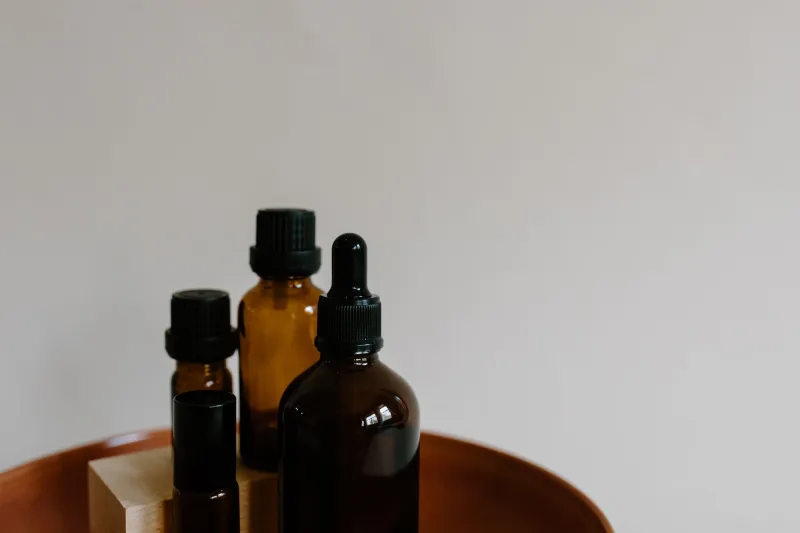
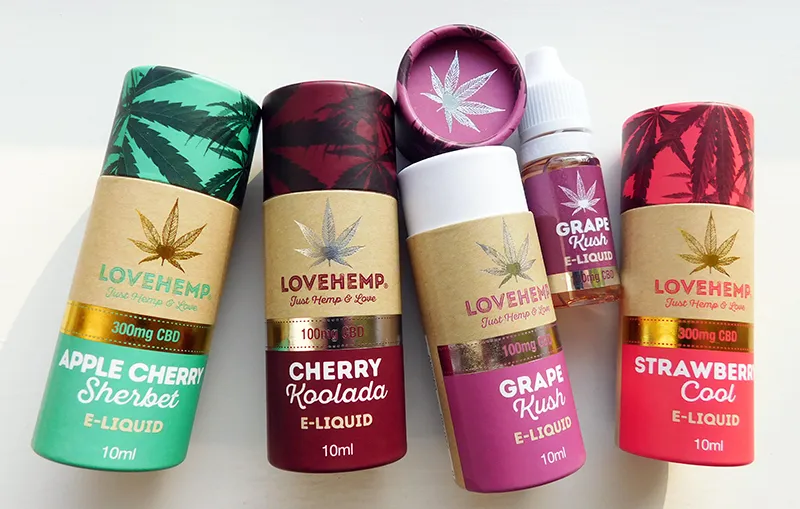
There is a particular kind of optimism that comes with a tiny bottle. It arrives in a padded envelope, weighs almost nothing, and promises a low-risk way to try something new. As of November 2026, CBD samples are everywhere: sachets tucked into online orders, 5ml tester bottles on high-street shelves, and 'just pay postage' offers that land in your inbox with suspiciously good timing.
A sample can be genuinely useful. It can also be a clever bit of marketing that tells you almost nothing. The trick is to treat it as an interview, not a marriage. You are not committing to a relationship with the brand. You are checking whether the format, the label and the practicalities make sense for your normal week.
What a sample is actually for
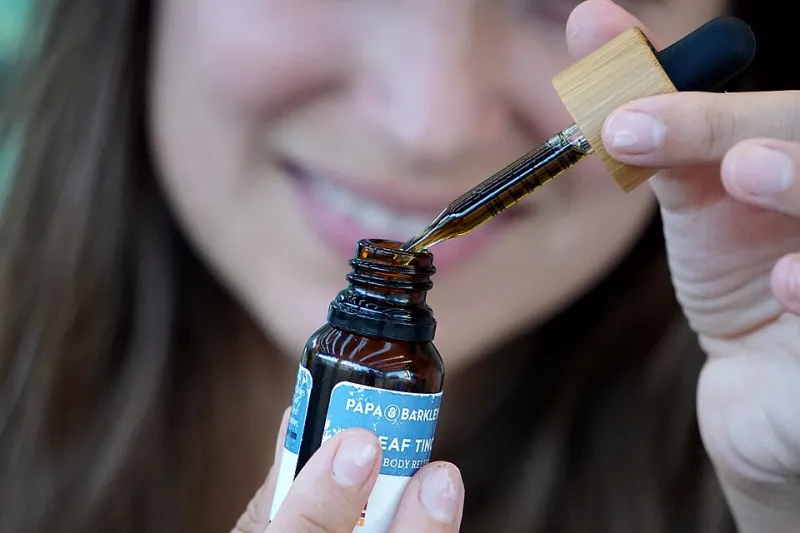
A small format is best at answering small questions. Does the oil taste pleasant enough that you would actually use it? Is the dropper easy to handle before breakfast, or does it need three hands and a steady surface? Are the capsules a sensible size? Does the sachet give you a clear serving suggestion, or are you squinting at the back of the packet like it is a tax form?
What a sample cannot do is tell you much about long-term use. A few days is not a fair trial of anything, and a single sachet is barely a first impression. If you go in expecting a dramatic verdict, you will probably end up judging the product by mood, weather or how well your commute went. Better to judge it by boring, useful details: taste, texture, ease of use, label clarity and whether you would realistically reach for it again.
The small print gets smaller, not optional
On a full-size bottle, the label has room to breathe. On a sample, everything is compressed. That is exactly why you need to slow down.
Look for the batch number and best-before date first. On sachets, these are often printed on the crimped edge or the back panel, sometimes in a colour that seems designed to defeat human eyes. Photograph them before you open anything. If there is no batch code, no date, or no clear CBD content in milligrams, put it down. A tiny format is not an excuse for a vague label.
Check the CBD content in mg per ml and the total mg in the pack. A 10ml tester bottle at 5% CBD is not the same as a 10ml bottle at 10%, and a sachet with 10mg is not comparable to one with 50mg. Look at the serving size too. If the pack contains one serving, it is a sniff, not a test.
In the UK, CBD products are regulated as novel foods, and reputable brands should be able to explain their compliance clearly. You do not need to become a regulatory expert over a free sachet, but if the label is vague about what is inside, that is a useful red flag. Check the ingredients, the carrier oil and whether there is a batch-specific lab certificate available. If you have to email three times to find out how much CBD is in the sample, that tells you something about the brand's admin as well as its product.
The ten-day notebook test
Pick no more than two samples at a time. Using five products in a week is not a comparison; it is a lucky dip.
Try one sample for a short, sensible stretch. Note the practical stuff: how it tastes, how it feels in your mouth, whether the dropper is fiddly, whether the sachet is easy to open without covering the kitchen worktop. Write down the time of day you used it and whether it fitted into your routine without a fuss. Do not chase a dramatic feeling. Look for whether the product is pleasant, clear and easy enough to use consistently.
After a week or so, review your notes. If you cannot tell two samples apart, that is information. It might mean both are fine, or neither is distinctive enough to justify a full bottle. In that case, buy the smallest full size or walk away. A sample that leaves you shrugging has done its job.
Sample maths: cost per mg and the postage trick
The headline price of a sample is rarely the whole story. Work out the cost per milligram where you can. A £5 sample containing 50mg works out at 10p per mg. A £30 full-size bottle containing 500mg is 6p per mg. The full bottle is better value per mg, but only if you actually like the product.
Then add the hidden costs. A 'free' sample with £4.95 postage is not free. A sample that arrives only if you enter card details may quietly sign you up to a subscription. A discount code that expires in 24 hours is not a helpful nudge; it is pressure. Before you hand over payment details, ask yourself a simple question: would I buy this at full price? If the answer is no, the sample has still been useful. It has saved you a bigger purchase.
When 'free' is really a funnel
Some samples are genuine trials. Others are the first step in a sales funnel dressed up as a gift. Common patterns include paying postage for a 'free' sachet, receiving a sample with a full-size bottle already in the basket, or being offered a trial price that rolls into a monthly delivery.
None of that is illegal or automatically shady, but you should see it for what it is. If the sample arrives with a countdown timer, a subscription you did not ask for, or a returns policy that requires a magnifying glass, treat the whole offer with caution. The best sample is the one that lets you decide without a deadline breathing down your neck.
Red flags on tiny formats
A small bottle should still carry the basics: batch code, best-before date, clear CBD content, ingredients and a way to contact the brand. Be wary of vague phrases like 'hemp extract' with no mg figure, claims that a product treats a medical condition, or packaging that looks like it was designed to avoid saying anything specific at all.
Also check the condition of the sample itself. Has it been sitting in a warm shop window? Is the seal intact? Does the dropper look clean? Keep samples cool and dark, label the date you opened them, and keep them well away from pets and children. A tiny bottle is still a bottle.
A sensible sample plan for a normal week
Read the label before you open it. Note the batch and the best-before date. Use the sample as directed, keep a few brief notes, and review at the end of the week. Do not mix it with a pile of other new products, and do not treat a sample as a reason to abandon your usual routine. If you take medication, are pregnant or breastfeeding, or have a health condition, speak to a GP or pharmacist before trying CBD. This is general information, not medical advice.
The verdict you are looking for is not 'did this change my life in three days?' It is 'do I like this format, can I use it consistently, and does the label give me confidence?' If yes, buy the smallest full size rather than the biggest. If no, thank the tiny bottle and move on. A good sample is an interview. It is not a marriage, and it is certainly not a subscription you forgot to cancel.