Four in the Morning, Eyes Wide Open: A Realistic Look at CBD and Broken Sleep

Photo: Federal Art Project, Public domain, via Wikimedia Commons
There is a particular kind of quiet at 4am. Not the peaceful sort — the wide-awake sort. The radiator clicks, a fox has a scrap on the pavement, and your brain decides this is the perfect moment to replay a conversation from Tuesday. If you have found your way here, there is a fair chance you have also found your way to a CBD product page at some point during that hour.
So let us have an honest chat about it. Not a sales pitch, not a scare story. Just what CBD is, what the research currently suggests about sleep, and how to think about all of it sensibly over a cup of tea.
Why 4am, specifically?
Waking in the small hours is remarkably common, and it is rarely one single thing. Blood sugar dipping, a glass of wine at 9pm, a room that is slightly too warm, the boiler clanking, stress that only surfaces once everything else goes quiet — any of these can do it. So can shift work, perimenopause, an overactive bladder, low mood, or a partner who snores like a hedge trimmer.
That matters because CBD is not a light switch, and none of the above are CBD deficiencies. If you are going to try it, it helps to be clear about what you are actually asking it to do.
What the evidence actually says
Here is the short version: the evidence for CBD and sleep is interesting but thin. Much of the research is small, short, and often carried out in people with another condition — anxiety, chronic pain, epilepsy — where sleep is a secondary measure rather than the main event. Some studies suggest people report sleeping better. Others find little difference from placebo. Doses vary wildly between studies, which makes comparing them a bit like comparing recipes by weight of flour alone.
What we can say with reasonable confidence is that CBD does not appear to be a sedative in the way a sleeping tablet is. It is not going to knock you out. It may, for some people, take the edge off the kind of low-level background churn that makes dropping off harder — but that is a modest, personal, fairly subtle effect at best, and it is not guaranteed.
In the UK, the Food Standards Agency advises healthy adults to take no more than 10mg of CBD per day, and CBD is not recommended for anyone under 18, or for people who are pregnant or breastfeeding. It is also worth knowing that any product making firm medical claims about treating insomnia is stepping into territory that requires a medicines licence — so treat confident marketing with a raised eyebrow.
Reading the label like you actually mean it
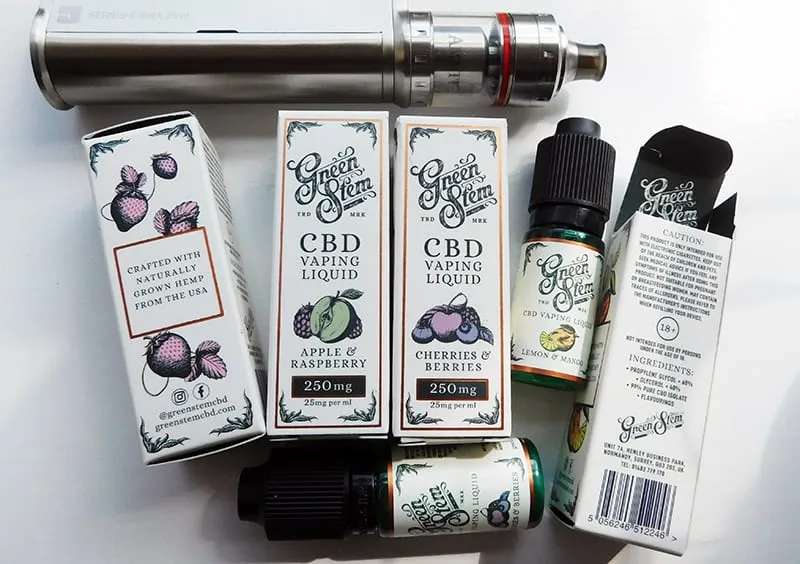
Labels are where most of this falls down, because "500mg" on the front of a bottle tells you almost nothing on its own. What you want to know is how much CBD is in a single drop or a single measured dose.
Look for the total CBD content, the bottle size, and the stated amount per drop or per ml. A 10ml bottle with 500mg sounds impressive until you work out that each drop is a fraction of a milligram. Look for a batch number and a certificate of analysis — a decent retailer will have one available if you ask. Check whether it is full-spectrum, broad-spectrum or isolate, and whether the label is honest about THC content (in the UK, CBD products must not contain more than trace levels).
And keep an eye on the FSA's novel food list. It is not glamorous reading, but it is the difference between a product that has at least been through the notification process and one that has appeared from nowhere with a nice font.
Where a dropper could fit a routine
If you do decide to try it, keep the experiment small and boring. Pick a consistent time — often 30 to 60 minutes before bed — and a consistent amount, starting low. Take it the same way each time. Give it a week or two rather than judging on night one.
Then do the thing almost nobody does: write it down. A two-line note each morning — when you took it, how much, when you woke, how you felt — will tell you more than any forum thread. Half the value of a sleep diary is that it forces you to notice the other variables, which are usually the ones doing the heavy lifting.
A few practical notes. CBD can interact with some prescription medicines, including certain blood thinners and epilepsy medications, because of how it is processed in the liver. If you take regular medication, a quick word with a pharmacist is a genuinely good idea. And if you are using a vape or oil, check it is from a reputable UK seller with clear labelling — the market is not short of cowboys.
The unglamorous stuff that outranks any bottle
Before you spend a penny, run the basics. Caffeine after 2pm. Alcohol, which reliably fragments the second half of the night even when it helps you drop off. A bedroom that is a degree or two too warm. A screen that follows you to bed. A consistent wake time, even at weekends — irritating advice, but it works.
If you wake at 4am and cannot get back off, the standard advice is to get up, keep the lights low, and do something dull for twenty minutes rather than lying there negotiating with your own brain. A paper book. A boring podcast. Not your phone, and definitely not a browse through CBD reviews at 4:15am, which is how half of us ended up here in the first place.
When 4am deserves a GP, not a product
Some broken sleep is worth taking to a doctor rather than a checkout basket. Book an appointment if you have been waking repeatedly for more than a few weeks, if you are snoring heavily or gasping in the night (possible sleep apnoea), if you are falling asleep during the day, or if low mood or worry is following you around. Sleep problems can be an early sign of thyroid issues, depression, chronic pain conditions, or perimenopause — and none of those are fixed by a dropper.
Also worth flagging: if you are already on sleeping medication, do not simply add CBD on top without asking. And if a product promises to cure insomnia, walk away.
The honest summary
CBD might take the edge off for some people, and it might do nothing at all for others. It is not a cure for 4am, and it will not fix a life that is genuinely too full. But approached sensibly — low, consistent, well-labelled, and alongside the boring basics — it is a reasonable thing to try for a fortnight and judge on evidence rather than hope.
And if it does not work? You have lost a few quid and gained a sleep diary. That is not a bad trade. Now put the kettle on.