Knuckle Season: Picking a CBD Balm When Winter Gets Personal

Photo: dry cracked hands winter skin cream jar by sink UK home, via s-media-cache-ak0.pinimg.com
There is a particular moment in a British winter when your hands tell you the season has changed. Maybe it is the first morning you scrape the car, or the evening you notice the skin between your fingers has gone tight and shiny. The radiators are on, the washing is drying indoors, and the little pot by the sink starts to look very appealing.
CBD balms have become a familiar sight on UK shelves, from health shops to garden centres and online stores. They are easy to reach for when your knuckles feel rough. But a balm is not a magic winter fix, and the label deserves a closer look than the lid does. Think of it as one small, sensible part of a routine that also includes gloves, shorter showers and a bit of patience.
Why hands feel worse when the heating comes on
Central heating is brilliant at making a room cosy. It is less brilliant for the skin on your hands. Indoor warmth and lower humidity can pull moisture from the skin, and frequent hand-washing, cold winds and hot water do the rest. The result is often dryness, tightness and small cracks around the knuckles or fingertips.
If you already have a skin condition such as eczema or psoriasis, winter can make it more noticeable. A cosmetic balm may feel soothing, but it is not designed to treat a medical skin problem. That distinction matters when you are standing in the skincare aisle trying to decide what to buy.
Balm is not oil, and that changes the job
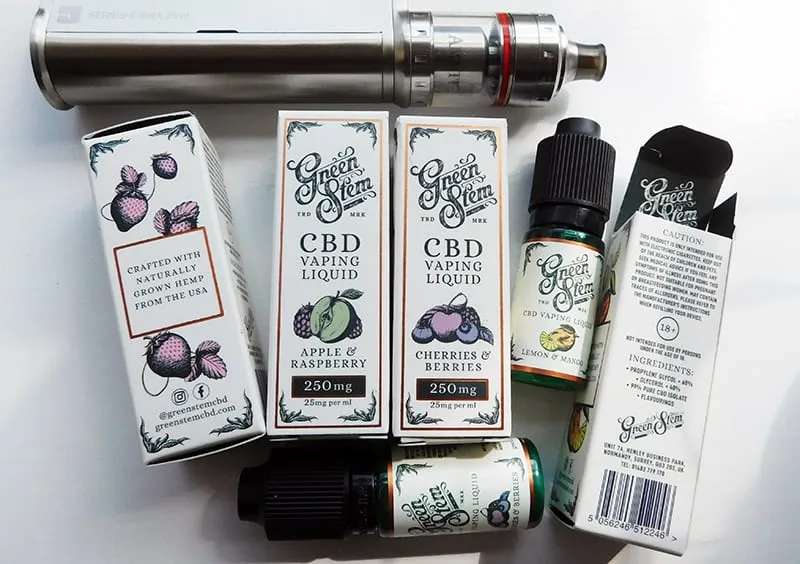
CBD oils and capsules are swallowed or held under the tongue. Balms are topical products, which means they are applied to the skin. In the UK, most CBD balms are sold as cosmetics rather than medicines. They are intended to moisturise, soften or fragrance the skin, not to treat or cure a condition.
That does not make them pointless. A well-made balm can be a pleasant way to seal in moisture and make rough hands feel more comfortable. But it is working on the surface. If you are expecting a balm to do the same job as a swallowed CBD product, you are comparing two very different things.
The texture matters too. Many balms rely on waxes, butters and oils to create a barrier. That can feel lovely on cracked knuckles, but it can also be greasy. A pot by the sink is only useful if you actually want to use it after washing your hands, so choose a texture you can tolerate.
The label maths: mg per tube versus mg per gram
This is where a lot of sensible shoppers get tangled. You might see a balm advertised as 500mg CBD and assume it is stronger than a 250mg balm. Not necessarily. The total amount in the tube is only half the story.
Look for the amount per gram or per millilitre as well. A 100ml tube containing 500mg works out at 5mg per ml. A 30ml tube containing 300mg works out at 10mg per ml. The smaller tube is more concentrated. If the label only shouts about the total milligrams and never mentions the size or concentration, treat that as a prompt to look closer or ask the retailer.
Also check what kind of CBD is mentioned. Some balms use CBD isolate, while others use broad-spectrum or full-spectrum extracts. The label should be clear about what is in the pot. If it is vague, that is not a great sign.
Read the rest of the ingredients list
CBD is only one line on the label. The other ingredients are doing much of the work, and they are also the most likely reason a balm might irritate your skin. Fragrances, essential oils, preservatives and plant extracts can all be fine for one person and troublesome for another.
If your hands are already cracked, a heavily perfumed balm may sting or make the irritation worse. A plainer formula with familiar emollients might be the kinder choice. This is not about finding the most exciting product. It is about finding one your skin can tolerate on a cold Tuesday in February.
Patch test, then a little patience
Before you slather a new balm over every knuckle, try a small amount on a patch of skin away from your face. The inside of your wrist or forearm is a sensible spot. Wait 24 hours and see how it feels. If there is redness, itching or stinging, stop using it.
When you do apply a balm, use clean hands and keep it away from broken skin, cuts and your eyes. A little goes a long way. More product does not equal more benefit, and a thick layer can leave you unable to grip a mug properly.
When a balm is the wrong tool
A bit of winter dryness is one thing. Cracked skin that bleeds, weeps, becomes hot or swollen, or spreads despite your best efforts is another. If your hands are painful, infected-looking or not improving after a week or two of gentle care, speak to a pharmacist. They can point you towards appropriate treatments and tell you whether you need to see a GP.
If you have a long-term skin condition, are using prescription creams, or are unsure whether a CBD product might interact with anything else you use, ask a healthcare professional. A balm is not a substitute for that conversation.
A small winter routine that does not ask too much
Keep a pot by the sink and use it after washing your hands, while your skin is still slightly damp. Turn the shower down a notch and pat your hands dry rather than rubbing them raw. Wear gloves when you are out in the cold and again when you are doing wet jobs around the house. Drink something warm, put your feet up, and accept that winter hands often need a bit of consistency rather than a dramatic rescue.
CBD can sit inside that routine as a small, optional comfort. It will not banish winter, and it should not be asked to. A sensible balm, a patch test and a realistic expectation are a much better winter combination than a miracle claim in a pretty jar.