Before You Turn the Key: CBD, Driving and the UK Rules Worth Knowing
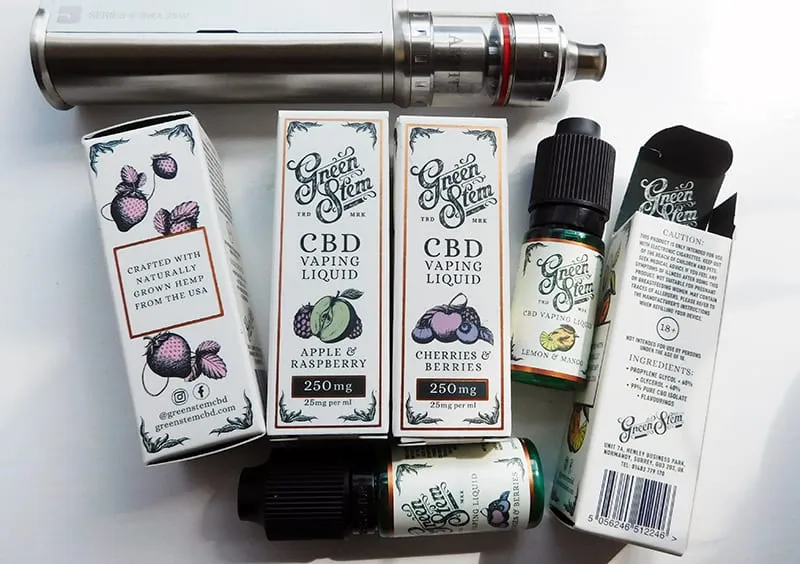
Photo: Ecig Click, CC BY-SA 2.0, via Wikimedia Commons
There is a question that comes up whenever CBD gets mentioned in a UK kitchen, car park or group chat: can I drive after taking it? The honest answer is not a tidy yes or no. It depends on the product, the dose, your body, your medication and, most importantly, whether you are actually fit to be behind the wheel. That sounds vague, but it is also how the law works. Driving rules are not built around the word 'CBD' on a label. They are built around impairment and, in some cases, specific drug limits.
At With CBD, we are not here to scare you or hand out legal advice. We are here to help you ask better questions before you reach for the car keys.
The bit the law actually cares about
In the UK, drug-driving law has two main strands. One is driving while unfit through drugs. The other is driving with a specified controlled drug above a legal limit in your blood. For THC, the active compound in cannabis that causes intoxication, there is a specified limit. That matters because some CBD products can contain trace amounts of THC, even if the label is reassuring.
CBD itself is not the controlled drug at the centre of those rules. THC is. But that does not make every CBD bottle a free pass. If a product contains THC, it counts. If you feel altered, drowsy, spaced out or generally not yourself, you should not drive, full stop. And there is no official 'safe CBD dose' before driving. Anyone who tells you otherwise is guessing.
Labels are clues, not certificates
UK CBD labels have improved, but they are still not a legal guarantee that you are fine to drive. Look for clear information about CBD content per drop or ml, THC content, batch number and third-party lab testing. 'Broad spectrum' products may contain trace THC. 'Isolate' should be pure CBD, but it is still worth checking the paperwork. 'THC-free' is a useful phrase, not a magic wand.
Keep a photo of the label and batch number on your phone. If you are ever asked about what you use, you have something concrete to refer to. Do not rely on a forum post from someone who once took a random oil and felt fine. Their body, product and dose are not yours.
The passenger seat rule
This is the simplest bit of guidance in this whole article. If you are asking yourself whether you are okay to drive after CBD, treat that question as a no. Hand the keys to someone else. Get the bus. Book the taxi. Wait. It is not a legal test. It is just a sensible default for anyone who is unsure.
The passenger seat rule is especially useful when you are trying a new product, a new dose or a new brand. It is also the right call if you have had alcohol, if you are tired, if you are taking medication that causes drowsiness, or if you have been ill. CBD does not cancel out any of those things. It does not sober you up. It does not make a long drive safer.
Medication and the prescription question
CBD can interact with some medicines because of the way it affects liver enzymes. That is not a reason to panic, but it is a reason to ask a pharmacist or GP if you take warfarin, epilepsy medicines, sedatives, antidepressants or anything with a grapefruit warning. Do not stop prescribed medication to try CBD. That is a conversation for a healthcare professional.
Prescription CBD products, such as those used for certain rare forms of epilepsy, come with their own guidance. If you are prescribed CBD, ask your prescriber or specialist nurse about driving. Over-the-counter CBD oil is not the same thing as a prescribed medicine, and the advice can differ.
Roadside stops: calm, honest, boring
If the police stop you, they will usually need a reason to suspect something. Be polite, keep your hands visible and answer questions honestly. You do not need to deliver a lecture on CBD regulations. If you are asked whether you have used anything, it is better to be straightforward than to invent a story. 'I use a CBD oil, this dose, at this time' is a clearer answer than a nervous shrug.
Roadside drug tests typically look for THC, not CBD. If a test indicates THC, you may be taken for a blood test. That is the point to ask for legal advice and stay calm. Do not drive off because you are worried. That turns a awkward conversation into a much bigger problem.
A practical checklist for 2026
Before you drive, ask yourself a few boring questions. Have I tried this product before? Do I know how it affects me? Have I had alcohol? Am I taking anything that makes me drowsy? Am I tired, stressed or unwell? If the answer to any of those makes you pause, use the passenger seat rule.
Buy from a UK seller that publishes batch lab tests and clear labels. Keep a note of your dose and timing. Do not try a new CBD product for the first time before a long drive. Do not mix CBD with alcohol and assume you are fine. And do not treat a 'legal in the UK' sticker as proof that you are safe to drive.
CBD can be part of a normal wellbeing routine, but it is not a shortcut around the rules of the road. The passenger seat rule is unglamorous, slightly annoying and deeply sensible. Which is usually the sign of good advice.