Hot Flushes, Honest Bottles: A Sensible Menopause Guide to CBD

Photo: CEphoto, Uwe Aranas, CC BY-SA 4.0, via Wikimedia Commons
Menopause has a way of making itself known in the middle of ordinary life. You're on the 73 bus, or halfway through a Teams call, or standing in the cereal aisle at Tesco, and suddenly you're radiating heat like a radiator that's been left on all day. Then comes the 3am wake-up, the mood that arrives before you've had a chance to choose it, and the growing pile of advice from people who mean well but have never met your body.
If you've found yourself Googling CBD at midnight, you're not alone. It's a reasonable question. But it deserves a reasonable answer — one that doesn't involve a miracle, a cartoon leaf or a promise that your hormones will suddenly behave.
Start with the GP, not the dropper
Perimenopause and menopause are proper health conversations, not vague lifestyle moods. Your GP can talk through options such as HRT, non-hormonal treatments, sleep support and mood support, and can check whether anything else is going on. In the UK, you're entitled to ask questions, go back, and ask again. A ten-minute appointment is not the final word on your body.
CBD is not a treatment for menopause. It is not a substitute for that GP chat, and it should not be used to paper over symptoms that deserve proper investigation. Think of it, at most, as a small optional extra in a wider plan — not the main event.
What CBD can and can't do here
Here's the honest version: the evidence for CBD specifically in menopause is thin. Most research looks at anxiety, sleep or pain in other contexts, and the studies are often small or mixed. That doesn't mean nobody finds it useful. It means we should be careful about turning a personal experience into a promise.
CBD cannot balance your hormones. It cannot replace HRT. It cannot guarantee fewer hot flushes, and it is not licensed as a medicine for menopause symptoms. If a bottle claims it 'harmonises your hormones' or 'solves the menopause', that's a marketing department talking, not a lab.
What some people do report is feeling a bit calmer, or finding it easier to settle at night. Those are modest, subjective outcomes — worth noticing, but not worth building a shrine to.
The 3am Club: sleep, stress and small routines
Before any bottle gets involved, the boring foundations matter. A cool bedroom. Layers you can peel off. A fan that lives by the bed from May to September. Less alcohol late in the evening, and a sensible cut-off for caffeine. A consistent wake-up time, even on the days when the night has been rubbish.
Stress management is not a luxury here either. A short walk after lunch, a few slow breaths before you open your inbox, or a proper conversation with a friend can do more than people give them credit for. Talking therapies are available on the NHS and are not an overreaction.
If CBD has a place in this, it's at the edges. Perhaps a few drops in the late afternoon when the day is fraying, or an hour before bed as part of a wind-down. It should not be the only thing holding the routine together.
Reading the label without rose-tinted glasses
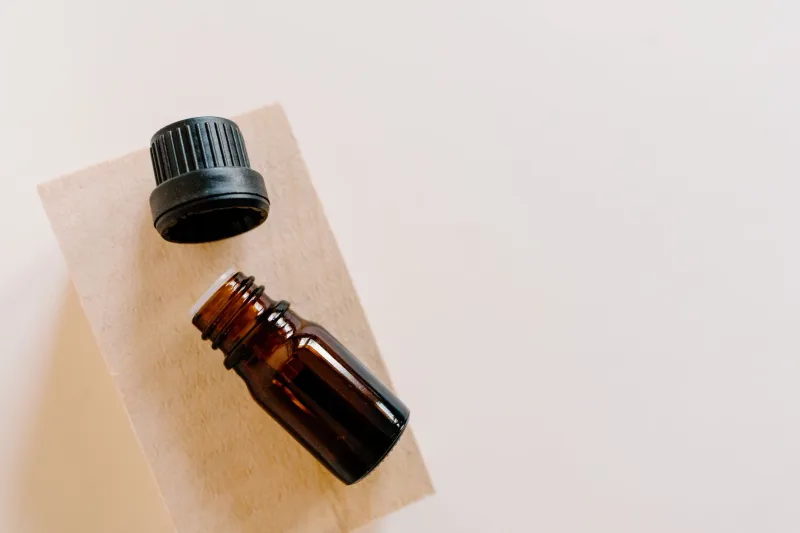
UK CBD products are sold as food supplements, not medicines, so they cannot legally make medical claims. Look for the amount of CBD per millilitre and per drop — not just a big number on the front of the bottle. A 500mg bottle sounds impressive until you realise it contains 30 servings.
Check whether the product is on the Food Standards Agency's novel food register. Look for a batch code and a certificate of analysis from a lab. Be wary of vague 'hemp extract' blends that don't state the CBD content, and remember that hemp seed oil is not the same thing as CBD oil.
The FSA advises healthy adults to take no more than 10mg of CBD a day. That's an advisory limit, not a target. Start well below it, change one thing at a time, and give it a couple of weeks before you decide anything.
Fitting it into a normal Tuesday
Don't launch a new supplement, a new evening espresso and a new true-crime podcast in the same week. If you're going to try CBD, try it quietly. Note how you sleep, whether the flushes feel any different, and whether your mood shifts. Keep the receipt. Stop if you feel odd.
And keep the conversation open. Tell your GP or pharmacist what you're taking, especially if you use HRT or any other medication. CBD can interact with some medicines, including blood thinners and epilepsy drugs, and it can affect the liver. If you're pregnant or breastfeeding, skip it. If you're driving, don't drive if you feel impaired — and keep products away from pets, who are far more sensitive to cannabinoids than we are.
The calm-down conversation worth having
Menopause is not a personal failing, and CBD is not a personality. It's a bottle of plant extract with a modest evidence base and a lot of noise around it. Treat it as a small, optional extra alongside the GP chat, the fan by the bed, the walk at lunch and the friend who gets it.
That's the real hot flush hotline: honest information, sensible labels, and no one promising you the moon in a dropper.