What UK CBD Labels Are Really Telling You (and What They Aren't)

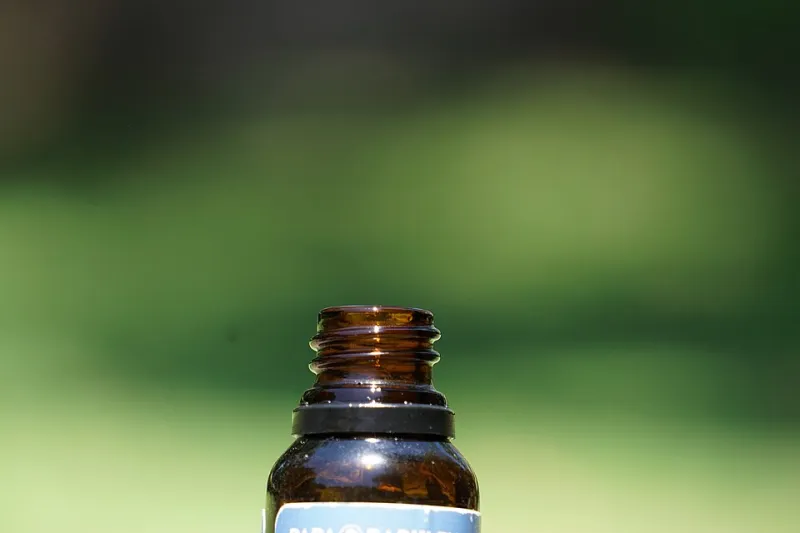
Photo: Eva Rinaldi, CC BY-SA 2.0, via Wikimedia Commons
CBD packaging is a bit like a Christmas jumper: it can look reassuring, but it does not tell you everything. In the UK, labels are a mix of useful facts, marketing language and legal small print. The trick is to slow down, read the boring bits first and treat the shiny words as claims rather than promises. This guide is here to help you compare products calmly, without turning a shop into a chemistry exam.
Start with the boring bits
Before you look at the font or the forest-green bottle, find the basics. What is the bottle size? How many milligrams of CBD does the whole pack contain? How many milligrams are in a serving, and how many servings are in the pack? That last bit matters. A 10ml bottle with 500mg CBD is not the same as a 30ml bottle with 500mg. The price per 100mg of CBD is a much clearer way to compare than the price on the shelf.
Also check whether the label says 'CBD' or 'hemp extract'. They are not always the same thing. Hemp extract can include other plant compounds, oils and waxes. That is not automatically bad, but if you are trying to compare like with like, look for the CBD content in milligrams.
The spectrum words: broad, full and isolate
'Broad spectrum' usually means the product contains CBD and other cannabinoids but little or no THC. 'Full spectrum' generally means it includes a wider range of plant compounds, including trace THC. 'Isolate' means CBD on its own. These words are useful shorthand, but they are not a quality score. A full-spectrum product is not automatically better, and a broad-spectrum one is not automatically weaker. It depends on what you want and how you respond.
'Zero THC' is another phrase to read carefully. UK rules around THC are strict, and reputable brands test for it. But 'zero' often means below the lab's detection limit, not a magical guarantee. If you have drug testing at work or in sport, ask for the certificate of analysis and speak to the relevant professional before buying. Do not rely on a cartoon leaf on the label.
Serving suggestions are not instructions from your body
Many labels suggest a number of drops or gummies per day. That is a starting point, not a personal prescription. Drop size varies between bottles, and gummies vary in strength. Use the markings on the dropper if there are any, and keep a simple note of what you take and when. If you are new to CBD, the sensible approach is to start low and go slowly. Ignore any label that promises a specific feeling by a specific date.
Batch codes and lab reports
A batch code is one of the most underrated things on a CBD label. It should link to a certificate of analysis, often called a CoA. That document should show cannabinoid content and tests for contaminants such as heavy metals, pesticides and microbes. Some brands put a QR code on the pack; others hide the batch number in small print. If you cannot find a batch code or a lab report, ask the retailer. A vague answer is useful information too.
Ingredients and carrier oils
CBD oil has to sit in something. Common carriers include MCT oil and hemp seed oil. Neither is a scam, but they suit different people. Check for flavourings, sweeteners and allergens, especially in gummies. If you are avoiding certain ingredients, read the full list rather than the front of the pack. The front is the poster; the back is the plot.
Claims that should make you pause
Be wary of words like 'cures', 'medical grade', 'doctor recommended' or 'guaranteed results'. CBD is not a licensed medicine in the UK, and it is regulated as a novel food. The FSA keeps a list of CBD products that can stay on the market while they go through authorisation. That does not make every listed product perfect, but it is a useful starting point. If a label makes a health claim that sounds too good to be true, treat it as a reason to ask questions, not a reason to buy.
A five-question label check
Before you buy, ask: How much CBD is in the whole pack? How much is in a serving? Is there a batch code and a lab report? What else is in it? And does the brand explain its claims in plain English? If you can answer those five, you are already ahead of most of the hype.
The calm comparison
The best CBD label is not the loudest one. It is the one that gives you enough information to make a sensible choice and enough honesty to admit what it does not know. Compare a few products, keep notes, and ignore the pressure to find a 'perfect' bottle. With CBD, as with most everyday wellbeing purchases, boring details are often the most useful ones.
This article is general information, not medical advice. If you are taking medication, pregnant, breastfeeding or managing a health condition, speak to a pharmacist or GP before trying CBD.