Behind the Counter: How to Spot a CBD Shop That Actually Knows Its Stuff
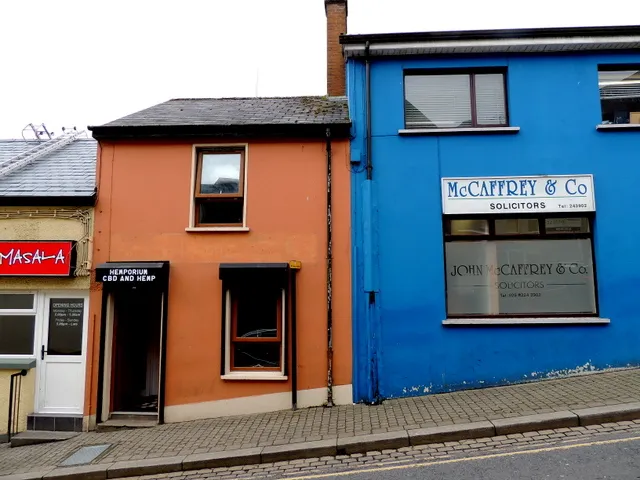
Photo: Kenneth Allen , CC BY-SA 2.0, via Wikimedia Commons
Walk down most UK high streets in 2026 and you will find CBD somewhere. It might be a specialist shop with neat shelves and a tasting bar, a health food store with a small display by the till, a pharmacy counter, or a market stall with handwritten labels. Online, the choice is even bigger. The tricky part is not finding CBD. It is working out whether the person selling it can explain it without turning into a walking advert.
A good CBD shop does not feel like a performance. It feels like a conversation with someone who knows the limits of what they can say, can point to the paperwork behind the product, and is happy for you to leave without buying anything. Here is what that looks like in practice, and what is worth noticing when it does not.
The questions a good shop asks you
The first clue is not what they say about the product. It is what they ask about you. A thoughtful member of staff will want to know whether you have used CBD before, what you are hoping to get from it, and how you plan to fit it into your day. They should also ask whether you take any medication or have a health condition, not so they can play doctor, but so they can point you towards a pharmacist or GP if that is the sensible next step.
That last bit matters. A good shop knows CBD is not a treatment for everything, and it does not pretend otherwise. If someone behind the counter starts promising that a bottle will cure anxiety, fix sleep or replace prescribed medicine, that is your cue to slow down. Friendly confidence is fine. Miracle claims are not.
The label test
You do not need a science degree to judge a CBD label, but you do need to know what to look for. A good shop can show you where the CBD content is stated, what a serving looks like, and how many servings are in the bottle. It should be able to explain the difference between the total amount of CBD in the bottle and the amount in each drop or capsule. If the answer is vague, the label probably is too.
In the UK, CBD is treated as a novel food, and the Food Standards Agency keeps a public list of products that can stay on sale while their applications are considered. A good retailer should not get defensive if you ask about that. They should also be able to point to batch numbers and, in many cases, third-party lab reports. You are not being awkward by asking. You are doing the same thing you would do with any supplement.
What good advice sounds like
Good advice is usually a bit boring, in the best way. It sounds like start low, go slowly, keep a note of how you get on, and do not expect the same thing from an oil, a capsule and a topical balm. It acknowledges that onset times vary and that what works for one person may not suit another. It does not rush you into the strongest product on the shelf.
A good shop will also be honest about the limits of what it can offer. It can explain the difference between formats and help you compare strengths. It cannot diagnose you, prescribe CBD, or tell you to stop taking medication. If you are on anything prescription, a quick word with a pharmacist is a sensible move. The best retailers make that feel normal rather than inconvenient.
High street versus online in 2026
Online shopping is convenient, and the range is often wider. High street shopping gives you the chance to pick up the bottle, read the back, and ask a question face to face. Neither is automatically better. The same standards apply in both places.
A good online seller has clear contact details, real lab reports, plain-English dosage information and a returns policy you can actually find. It should ask for age verification and should not make medical claims in its product descriptions. A good high street shop has the same information behind the counter, plus someone who can talk you through it without checking their phone every five seconds.
It is also worth remembering that a polished shop is not the same as a knowledgeable one. Nice shelves and a calm playlist do not tell you much. Ask a couple of specific questions and see how the answers land. If they can point to the batch number, explain the serving size and tell you what to do if you take medication, that is worth more than any window display.
Red flags worth noticing
You do not need to become suspicious of every shop, but a few things are worth taking seriously. Be wary of anyone who claims CBD can treat a named condition, promises a cure, or suggests you can stop prescribed medication. Be cautious if staff cannot tell you how much CBD is in a serving, where the batch number is, or who makes the product. Pressure selling is another one. A good shop will let you go away and think about it.
Also pay attention to the small stuff. Is the product stored away from direct sunlight? Is there a clear age policy? Can they explain the difference between a full-spectrum, broad-spectrum and isolate product without acting like you have asked them to explain quantum physics? If the answer to any of those is a shrug, you have learned something useful.
A five-minute shop audit
If you want a simple way to compare shops, try this. Ask three questions: how much CBD is in one serving, where can I find the batch number, and what should I do if I take medication? Then look at the label and see whether the answers match. Check whether the shop makes any medical claims. Check whether there is a returns policy. That is it. You are not auditing them for a licence. You are working out whether they are worth your time.
The best CBD shop, online or on the high street, should leave you feeling less confused than when you walked in. It should sell you a product and a bit of understanding. If it does that, the half-empty bottle in your cupboard is far more likely to become a routine you actually keep.